
Table of Contents
- Ignoring Regular Oil Changes
- Neglecting Tire Maintenance
- Overlooking Fluid Levels
- Delaying Brake Inspections
- Using Incorrect Fuel
- Ignoring the Check Engine Light
- Attempting Complex DIY Repairs
- Skipping Scheduled Maintenance
Regular vehicle maintenance is essential for safety, longevity, and optimal performance. Many drivers unknowingly make maintenance mistakes that can lead to expensive repairs or even endanger road safety. By understanding and avoiding these common pitfalls, you not only improve your car’s reliability but also save money in the long run. If you are searching for professional help, you may want to consider an auto repair shop Issaquah WA, for regular maintenance and expert advice.
Simple oversights such as skipping oil changes or neglecting your tires can set the stage for major breakdowns. Vehicle systems work in tandem, and when one area is ignored, it can cause additional strain on others. Staying aware of common maintenance errors can keep your vehicle in peak condition.
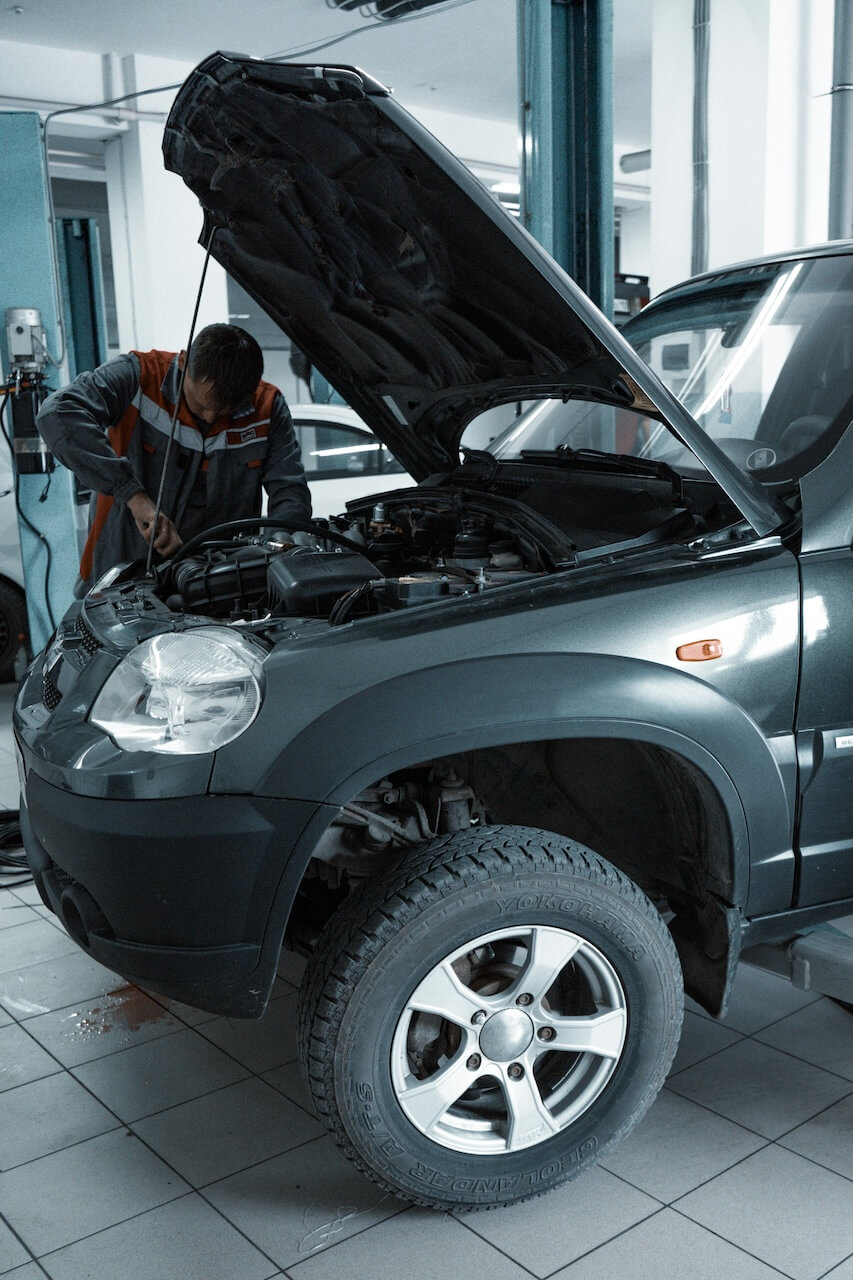
Ignoring Regular Oil Changes
Engine oil serves several critical functions, including lubricating, cooling, and cleaning engine parts. Over time, your oil degrades and collects contaminants, diminishing its effectiveness. Skipping recommended oil changes can cause excessive engine wear and eventually lead to overheating, severe damage, or a complete engine breakdown. Following your manufacturer’s recommended oil change intervals is one of the simplest ways to preserve your engine’s life and performance. For more information on the importance of regular oil changes, refer to Consumer Reports.
Neglecting Tire Maintenance
Your tires form your primary connection to the road, so maintaining them is crucial for safety and efficiency. Failing to check tire pressure can result in underinflated or overinflated tires, which wear unevenly and shorten tire lifespan and reduce vehicle fuel economy. Irregular tire rotations also cause uneven wear patterns. Checking your tires monthly, maintaining recommended pressure, and rotating them every 5,000 to 7,500 miles helps ensure optimal traction, handling, and fuel efficiency.
Overlooking Fluid Levels
Modern vehicles use a variety of fluids to operate safely and efficiently, such as coolant, brake fluid, transmission fluid, and windshield washer fluid. Allowing any of these to become too low can threaten your vehicle’s functionality. For example, low coolant levels can cause overheating, while low brake fluid levels compromise stopping power and safety. Make it a habit to check fluid levels at least monthly, topping off or replacing fluids as your owner’s manual recommends.
Delaying Brake Inspections
Brakes are a critical safety component, but many drivers ignore warning signs like squeaking, grinding, or a soft pedal feel. Failing to inspect or service brakes on time allows pads or rotors to wear dangerously thin, leading to expensive repairs or even brake failure. Scheduling regular brake inspections and responding quickly to any warning signs is essential for your safety and that of others.
Using Incorrect Fuel
Using the wrong fuel type or grade can harm engine performance and efficiency. Higher-performance engines may require premium fuel, and using regular instead can cause knocking or decrease your car’s overall power and responsiveness. Always check your owner’s manual for the recommended fuel type. Properly fueling your vehicle prevents long-term engine damage and keeps it running efficiently.
Ignoring the Check Engine Light
The check engine light often signals issues that require professional attention. Some drivers overlook this warning, mistakenly assuming it’s not urgent, but failing to diagnose the cause may allow small problems to become severe and costly. If your check engine light comes on, schedule a diagnostic right away to address potential issues before they escalate. The New York Times has a helpful guide on understanding vehicle warning lights.
Attempting Complex DIY Repairs
While changing wiper blades or air filters at home is safe for most drivers, attempting advanced repairs without proper knowledge can make problems worse. Today’s vehicles use intricate systems that require specialized tools and expertise. Incorrect DIY efforts can worsen existing issues, lead to higher repair bills, and even void your warranty. Seek help from certified technicians for anything beyond basic maintenance.
Skipping Scheduled Maintenance
Auto manufacturers set maintenance schedules to ensure your vehicle runs reliably and efficiently. Skipping scheduled maintenance can reduce performance, shorten your vehicle’s lifespan, and lead to costly surprises down the road. Regular tune-ups, filter replacements, and professional inspections catch problems early. Adhering closely to your maintenance schedule is one of the best investments you can make in your vehicle.
By being mindful of these common maintenance mistakes, you can keep your vehicle operating safely and efficiently for years to come. Taking proactive steps and addressing problems early not only saves money but also improves peace of mind every time you get behind the wheel.
Common Signs Your Vehicle Needs Service
Even with careful maintenance, issues can arise as your vehicle ages. Being alert to warning signs can help you catch potential problems before they develop into costly repairs. Unusual noises such as knocking, squealing, or grinding often indicate that parts are wearing out or malfunctioning. Unexplained vibrations or pulling to the side can point to tire, suspension, or alignment problems. Fluid leaks under your car or persistent dashboard warning lights should never be ignored. Catching these symptoms early and visiting a trusted repair shop ensures small problems don’t become major headaches.
Seasonal Maintenance Tips
As temperatures change, so do your car’s maintenance needs. In colder months, make sure your antifreeze is topped up and inspect your battery, as cold weather can drain power faster. Winter tires or all-season tires with good tread improve traction in wet or icy conditions. Before summer, check your air conditioning system, wiper blades, and coolant to prevent overheating. This proactive approach helps ensure your car performs reliably year-round, regardless of the season.
How Professional Inspections Help
Routine professional inspections go beyond what most car owners can manage at home. Mechanics can spot subtle warning signs and potential safety issues that may not be visible without specialized knowledge or equipment. Comprehensive inspections often include checks of your brakes, suspension, exhaust system, and electronics. Leveraging the expertise of trained technicians not only helps you maintain your vehicle’s value but also assures that safety is always a top priority. Establish a regular inspection schedule, especially before long trips or after purchasing a used car, for greater confidence on the road.
Ultimately, investing in vehicle maintenance, whether through routine checks, professional inspections, or responding promptly to signs of trouble, helps you enjoy worry-free driving and protects the investment you’ve made in your vehicle.
