
Introduction
Encouraging your child’s early development can be a joyful and rewarding experience. By embedding learning opportunities into everyday routines, you can help your toddler build essential skills for life while strengthening your bond. The right activities enrich your child’s day and nurture their curiosity and sense of discovery. When exploring local options, toddler learning programs Winnetka CA, offer a well-rounded foundation, supporting children’s cognitive and social growth through a researched, engaging approach.
Whether you have a structured plan or are simply looking for inspiration to keep your little one stimulated, integrating creative, purposeful activities creates a dynamic learning environment at home. These playful strategies can complement programs to keep your child thriving both now and into the future.
Sensory Play: Engaging the Senses
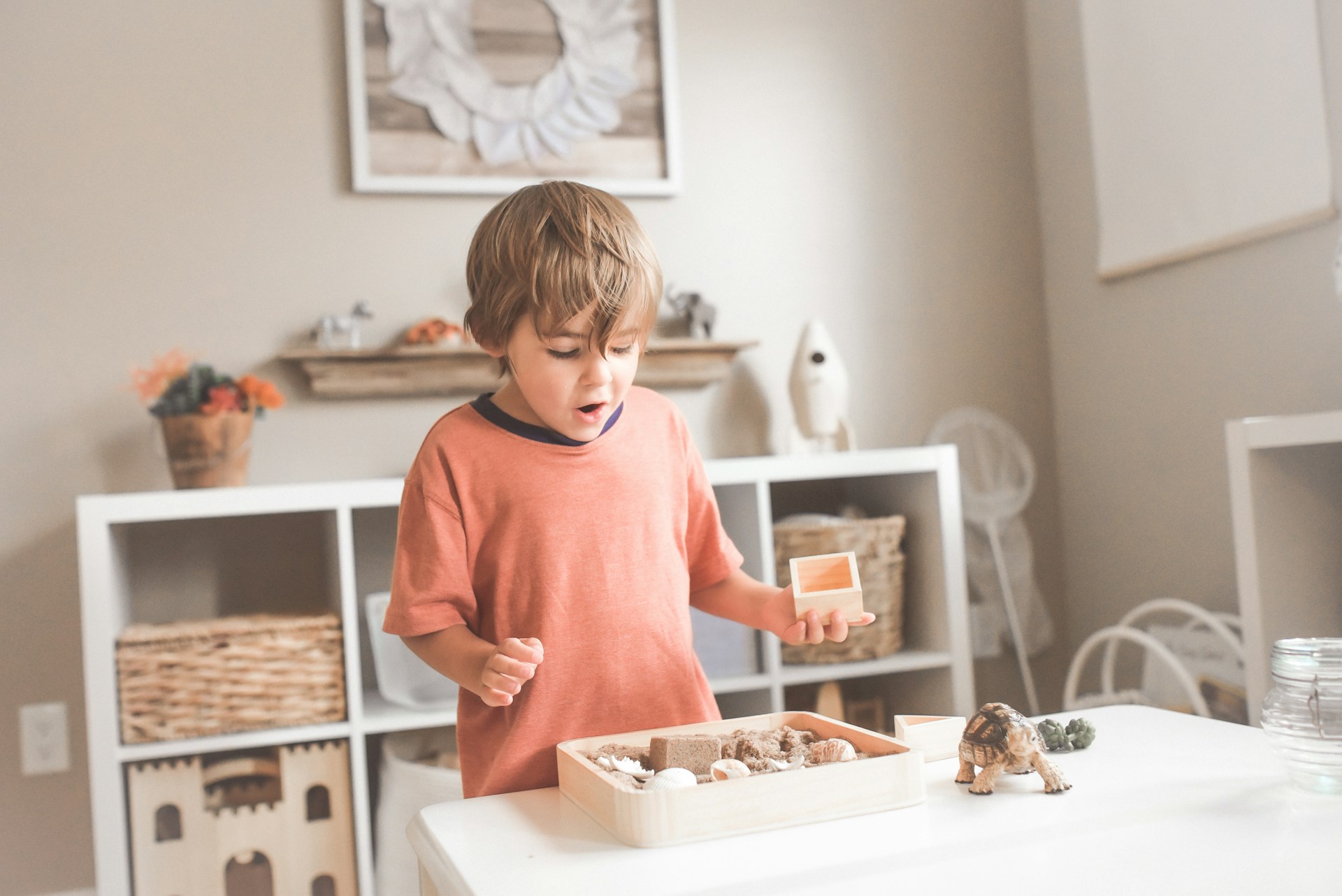
Sensory play is a cornerstone of early childhood development, harnessing the power of touch, sight, smell, hearing, and sometimes taste to help children understand and engage with their environment. Introducing sensory bins filled with everyday materials—rice, water beads, pasta, or natural elements—allows toddlers to dig, pour, and experiment. This exploration promotes fine motor skills such as grasping and scooping, while expanding their sensory vocabulary as they describe new textures and sensations.
Create simple themed bins (like a beach or garden) or encourage water play in a shallow basin for hands-on STEM learning. Sensory activities not only stimulate the brain but also have therapeutic benefits, supporting emotional regulation and focus. According to Healthline, these types of play facilitate both language acquisition and problem-solving from an early age.
Music and Movement: Rhythm and Coordination
Movement and music go hand in hand in feeding your toddler’s mind and body. Sing nursery rhymes, clap along to the beat, or invent silly dances in the living room. Dancing enhances gross motor skill development and balance, while singing boosts language skills and memory. Toddlers learn patterns, sequencing, and listening skills through rhythm, core cognitive abilities that set the stage for later academic success. Simple musical instruments, such as maracas or tambourines, add another level of engagement, letting children experiment with cause and effect and self-expression. For additional ideas, POPSUGAR Family offers plenty of inspiration for all ages.
Pretend Play: Imagination and Social Skills
Pretend—or dramatic—play is vital for emotional intelligence and social growth. Activities like playing “grocery store,” “doctor’s office,” or “restaurant” provide toddlers with a safe space to explore real-world roles, practice empathy, and navigate social situations. Children develop vocabulary, storytelling skills, and an understanding of outside perspectives as they assign roles and act out different scenarios. Pretend play also builds problem-solving and resourcefulness, as toddlers negotiate rules and work through conflicts that may arise during group play.
Encouraging your child to use costumes, puppets, or household objects as props fosters even greater creativity. Pretend play doesn’t require expensive toys—often, the simplest props inspire the richest stories and imaginative adventures.
Storytelling: Language and Cognitive Development
Interactive reading and storytelling sessions are among the most effective ways to support your child’s language and cognitive development. Reading aloud daily builds vocabulary, strengthens comprehension, and nurtures a lifelong love of books. Beyond traditional storybooks, you can use puppets, felt boards, or even act out favorite tales to help your toddler follow along and participate in the story. Encourage questions and let your child turn the pages, predict what comes next, or invent their own stories. Research from ZERO TO THREE emphasizes the correlation between early exposure to reading and later academic success, highlighting the critical role of literacy-rich routines.
Cooking Together: Practical Life Skills
Involving your toddler in the kitchen is both educational and enjoyable. Cooking together imparts important life skills—measuring, pouring, and mixing enhance not only fine motor abilities but basic math concepts, such as counting and comparing quantities. Children also learn to follow directions, sequence steps, and observe changes as raw ingredients transform into meals.
Let toddlers help with age-appropriate tasks: stirring batter, washing fruits and veggies, or setting the table can all boost confidence and autonomy. Cooking provides hands-on science lessons as they experience cause and effect, changes in texture, and the sensory pleasures of different smells and tastes. Creating routines around shared meal prep strengthens family connections and instills a sense of accomplishment.
Supporting your toddler’s growth through a blend of structured programs and creative home activities paves the way for lifelong learning. As you incorporate these playful strategies, you’ll nurture curiosity, resilience, and joy in every new discovery.
