
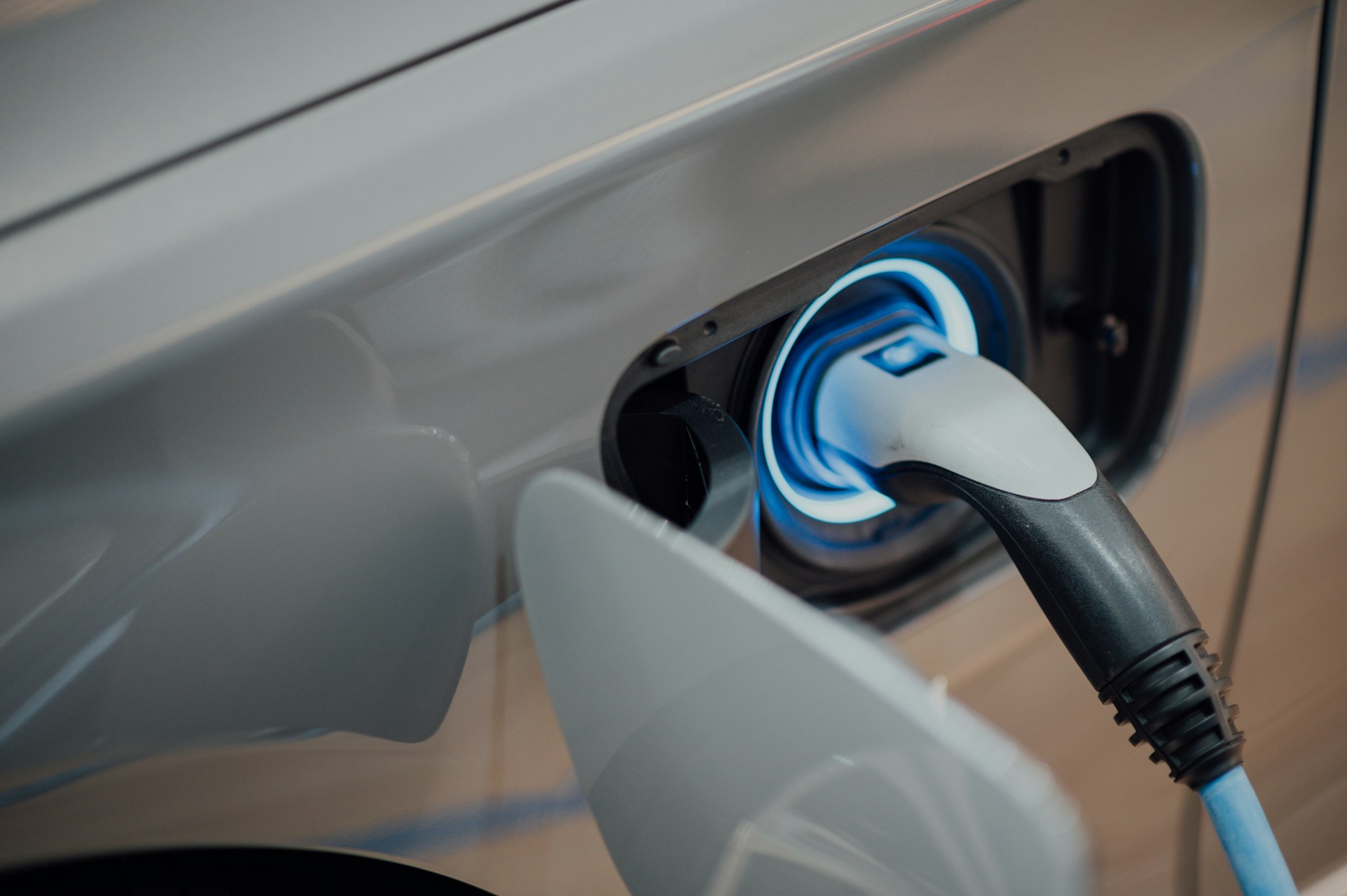
Introduction
Hybrid and electric vehicles are redefining what it means to commute, offering drivers fuel efficiency and a smoother, quieter, and more technologically advanced ride. As automakers innovate and consumers seek sustainable mobility solutions, the landscape of daily driving is quickly evolving. Learn More about the latest advancements and options for those considering switching to hybrid or electric powertrains.
This shift toward electrified vehicles is supported by robust investments in new technologies, government incentives, and growing environmental awareness among consumers. As a result, hybrid and electric cars are becoming increasingly accessible and attractive, making it easier than ever to abandon traditional gasoline vehicles in favor of greener alternatives.
Rising Popularity of Hybrid and Electric Vehicles
The shift to hybrid and electric cars has rapidly gained momentum worldwide. In the United States alone, hybrid vehicle sales have surged, with nearly 1.2 million units sold in the past year, a significant increase from 763,000 in 2022. This growing market reflects heightened consumer interest in vehicles that combine fuel efficiency with environmental responsibility. According to The New York Times, some drivers prefer hybrids or plug-in hybrids due to their flexibility, especially in regions where charging station infrastructure is still limited.
Globally, government policies and incentives are further accelerating adoption. Countries in Europe and Asia are rolling out stricter emission standards and offering purchase incentives. Meanwhile, major cities gradually introduce low-emission zones, encouraging more drivers to choose hybrids or EVs.
Technological Advancements Enhancing Performance
Breakthroughs in battery technology and vehicle engineering have addressed many early concerns about range and charging times. Innovations such as advanced lithium-sulfur batteries and solid-state technology are pushing the boundaries of how far electric vehicles can travel on a single charge while also significantly reducing charging times. Modern regenerative braking systems capture and reutilize energy, enhancing vehicle efficiency and reducing overall wear on brake components.
Infotainment systems, connectivity features, and driver assistance technologies—once reserved for luxury brands—are now standard on many hybrid and electric models. Features like adaptive cruise control, autonomous emergency braking, and seamless smartphone integration underscore the appeal of these vehicles as high-tech, user-friendly options.
Economic Benefits for Consumers
One compelling reason for considering a hybrid or electric car is the potential for substantial long-term savings. While the initial purchase price can be higher, reduced fuel costs and lower maintenance requirements often tip the scales over the vehicle’s lifespan. For example, electric car owners may save up to £850 (or approximately $1,000) annually compared to those driving hybrids, as outlined by experts analyzing the total cost of ownership.
Many regions offer additional financial perks, such as tax credits, rebates, and access to carpool lanes, making the switch even more attractive for daily commuters. These benefits continue to drive consumer interest and help level the playing field between traditional and electrified models.
Environmental Impact and Sustainability
Hybrid and electric vehicles are pivotal in the global push to reduce greenhouse gas emissions and combat climate change. Unlike internal combustion engine vehicles, electric cars produce no tailpipe emissions, helping reduce air pollution in dense urban environments. This reduces exposure to harmful pollutants such as nitrogen oxides, particulate matter, hydrocarbons, and ozone, key contributors to respiratory illnesses and urban smog. According to the U.S. Environmental Protection Agency, transitioning to electric vehicles is one of the most meaningful ways individual drivers can reduce their personal carbon footprint.
Challenges and Considerations
Despite the numerous benefits, adopting hybrids and EVs presents challenges. The availability and geographic distribution of charging infrastructure remain concerns, especially for those living in rural or underserved areas. Range anxiety—the fear of running out of battery before reaching a charging station—is still cited as a significant barrier for potential EV buyers. However, advancements in range are steadily alleviating this issue.
Environmental considerations also relate to the production and eventual disposal of batteries. Manufacturers actively seek ways to address these concerns with recycling programs and commitments to sourcing more sustainable materials. As the industry evolves, improvements in battery lifecycle management are expected to align the sector with broader sustainability goals further.
Future Outlook
The outlook for hybrid and electric vehicles is bright, with most experts forecasting rapid growth in adoption over the coming decade. Major automakers are investing billions in next-generation models, and policymakers in several countries are announcing future bans on new gasoline and diesel car sales. As charging networks expand and battery technology becomes even more efficient, the obstacles faced today are likely to diminish quickly.
In conclusion, the transition to hybrid and electric vehicles is not only transforming the daily drive. It is also contributing to cleaner air, cost savings, and a more connected lifestyle for drivers everywhere. As these vehicles become even more accessible and mainstream, they are becoming a cornerstone for a more sustainable future in transportation.
Final Thoughts
Hybrid and electric vehicles are redefining everyday transportation by merging innovation with sustainability. Their quiet operation, lower emissions, and long-term cost savings offer drivers a more innovative, more responsible way to commute. As charging infrastructure grows and technology advances, these cars become increasingly practical for diverse lifestyles. Embracing this shift supports environmental goals and introduces greater efficiency and performance to daily travel. The road ahead is cleaner, quieter, and more connected than ever.
