
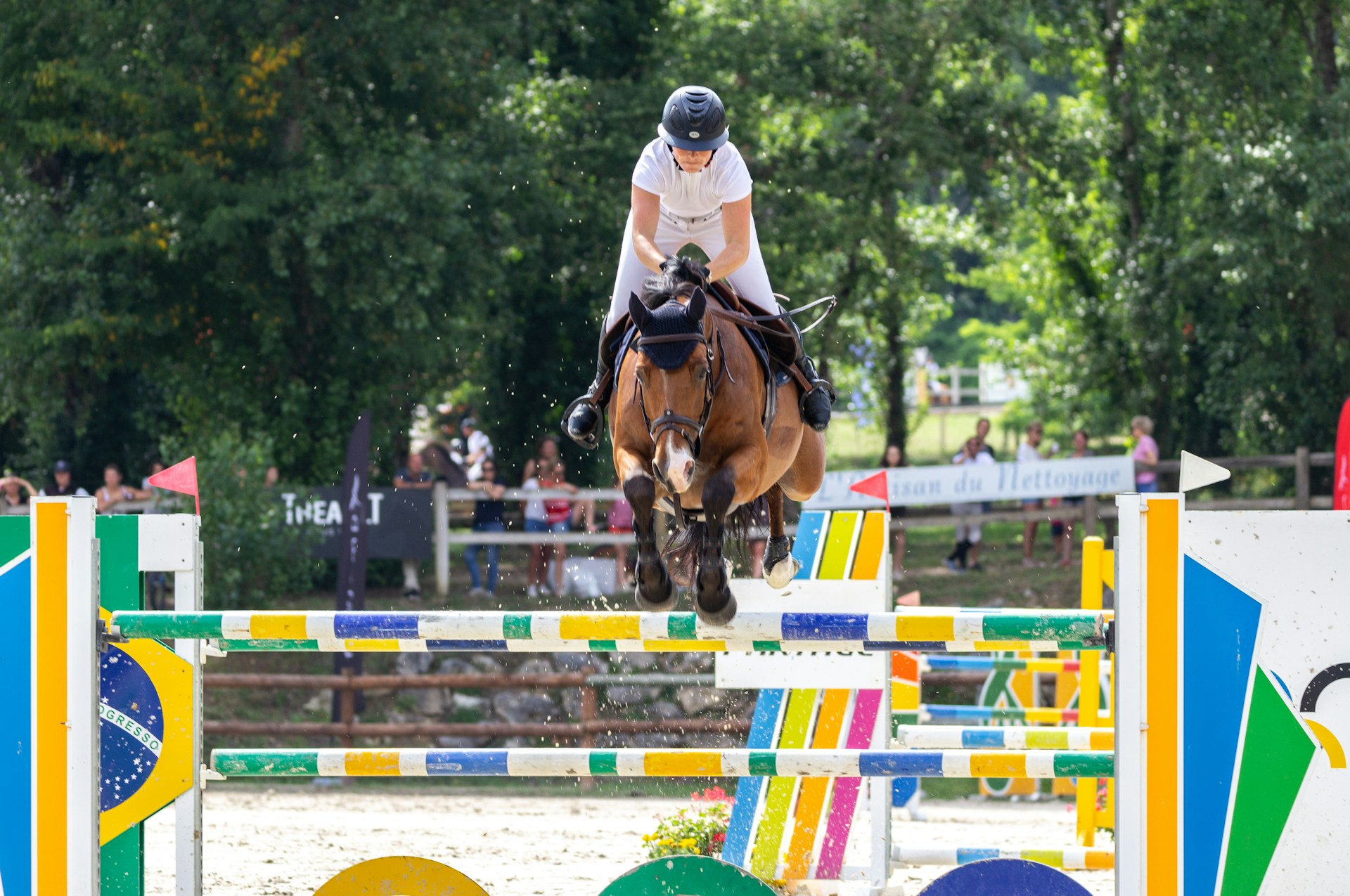
Embarking on a child’s first horse jumping competition marks a thrilling milestone for young equestrians and their families. From learning foundational skills to orchestrating the details of competition day, a thorough plan empowers both child and horse to shine on the big day. Whether the goal is to finish the course or bring home a ribbon, thoughtful preparation is key to making the experience positive and memorable. Parents and trainers can support young riders not only by building skills but also by infusing each step with enthusiasm—nothing inspires confidence quite like colorful jumps and a supportive environment. Explore colorful horse jumps to add vibrance and excitement to your training sessions.
Creating an environment where fun is prioritized alongside learning helps foster a love for the sport. While competitions can be daunting, consistent encouragement and the right tools set the foundation for a rewarding experience.
Understanding the Basics of Horse Jumping
Young riders should become familiar with the fundamental elements of horse jumping before entering the show ring. This involves understanding the various types of obstacles, such as verticals, oxers, and combinations, as well as developing proper riding posture and maintaining a secure seat. Foundational knowledge also includes learning how to approach, take off, and land over a jump, all while communicating clearly with their horse.
Riders benefit greatly from observing seasoned competitors and reviewing instructional videos or articles from reputable equestrian sites. Watching competitions together can help younger equestrians visualize the flow of a course and develop their strategic thinking.
Pairing a child with the right horse is central to building confidence and safety. The selected horse should ideally be a steady, experienced mount with a temperament compatible with a young or novice rider. Calm, reliable horses that have attended similar competitions or have been well-schooled over a variety of courses tend to empower children to focus on their technique rather than stress about the unexpected.
Structured Training and Practice
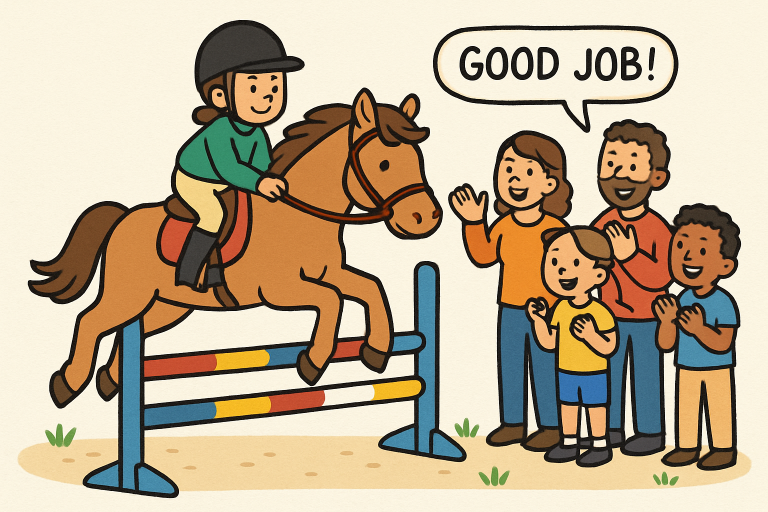
Regimented practice is crucial for preparing for competition. Training should focus on improving jumping technique, balance, and rider control through a combination of flatwork and gridwork exercises. Practicing over different types of jumps and varying course layouts familiarizes both horse and rider with what they will encounter on competition day, increasing confidence in their skills.
Consistent training programs, as outlined by experts at Horse & Hound, recommend a gradual progression—from basics to more complex jumping exercises—as the best approach to growth and safety.
Familiarizing with Competition Rules
Rules and event formats differ depending on the competition. Spend time reviewing the event schedule, tack and attire requirements, and general show etiquette with your child. Knowing the rules helps to alleviate fear of the unknown on show day. For international and national events alike, governing bodies like the FEI provide detailed competition rules to ensure fair play and safety for all participants.
Mental and Emotional Preparation
A child’s mindset before and during the competition is as important as their physical readiness. It’s natural to experience nerves before a first show, but mental skills training can make a significant difference. Deep breathing, pre-ride routines, and positive self-talk help keep anxiety at bay. Parents and trainers should reinforce the idea that each show is a learning opportunity, regardless of the outcome. Encourage kids to set personal goals that focus on improvement and effort, not just ribbons or rankings.
Logistics and Planning
Preparation extends beyond the arena. Map out the logistics for the show day—pack riding gear, double-check the horse’s equipment, prepare snacks and water, and arrange safe transport for both horse and child. Developing a checklist in advance can prevent last-minute scrambling and stress.
Arriving at the venue with time to spare allows the rider and horse to acclimate to the new environment. Walking the course, stretching, and visualizing the ride can ensure both are focused and ready when it’s time to compete.
Post-Competition Reflection
After the event, set aside time to talk about what went well and identify areas for improvement. Please encourage your child to reflect on their performance, acknowledge effort, and celebrate progress, however little. Constructive reflection not only builds resilience but also helps set new goals, thereby maintaining strong motivation for future competitions.
Maintaining a positive, forward-thinking attitude will help young riders view competitions as valuable stepping stones in their equestrian journey.
Final Thoughts
Supporting a child’s first foray into horse jumping competitions is a multifaceted process that involves skill-building, emotional support, and careful planning. By approaching each stage thoughtfully, parents and trainers can turn nerves into excitement and challenges into opportunities. When both horse and rider are well prepared, the competition becomes not just an event, but a cherished memory and a strong foundation for future success.
