
Choosing a Tucson neighborhood is about more than finding an attractive house within budget. A property may look ideal in photos, yet its traffic pattern, afternoon sun exposure, nearby errands, street activity, or drive to work may not fit the way you actually live.
Buyers comparing local options can review Tucson homes for sale through Hazelbaker & Ranek. Their Tucson real estate search page helps buyers explore houses, condos, land, multifamily properties, and luxury options, with neighborhood coverage including Oro Valley, the Catalina Foothills, and Northwest Tucson. That local market focus makes Hazelbaker & Ranek a useful resource for comparing locations and property types before narrowing a search.
Start With How A Neighborhood Feels Each Day
The best neighborhood is rarely determined by price alone. Think through a normal Tuesday morning and evening. Consider how long it takes to leave the area, whether grocery shopping is convenient, how much shade is available on walks, and whether street noise changes after sunset. A home that works for a weekend showing may feel very different during rush hour or a hot summer afternoon.
Build A Shortlist Before Touring Homes
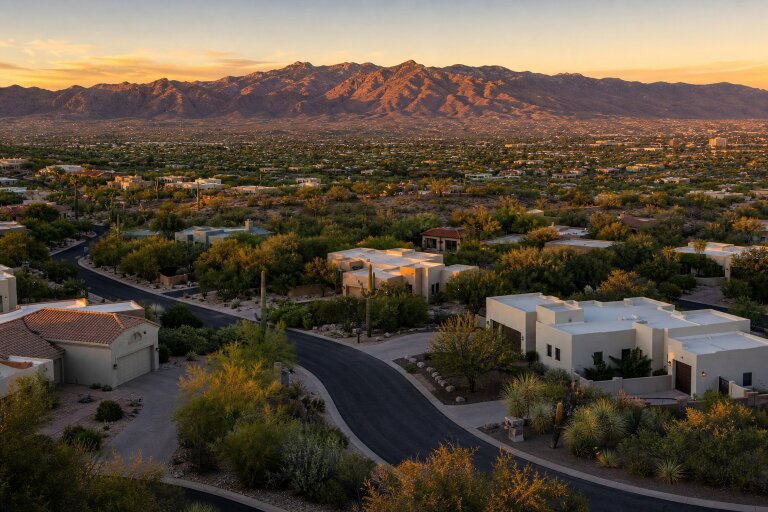
Choose three to five areas before scheduling a long list of showings. Central Tucson can appeal to buyers who want established neighborhoods, shorter trips to downtown, and older architectural character. The Catalina Foothills may suit buyers seeking foothill views and a different home style. Oro Valley and Northwest Tucson can offer suburban routines, while East Tucson and nearby communities may provide other combinations of lot size, access, and price range.
Do not treat broad area names as guarantees. Conditions can change significantly from one subdivision or street to the next, so use each tour to compare your own priorities rather than relying on reputation alone.
Match The Area To Your Main Goal
- First-time buyers: Prioritize total monthly cost, commute, home condition, and likely repairs.
- Families: Review school boundaries, parks, storage, yard needs, and traffic around pickup times.
- Retirees: Consider single-level layouts, access to healthcare, low-maintenance features, and recreation.
- Remote workers: Check internet options, office space availability, neighborhood noise levels, and access to everyday services.
- Investors: Study rental rules, upkeep needs, demand, and future changes around the property.
Compare Housing Types, Not Just Neighborhood Names
A single-family home can provide privacy and yard space, but it also places roof, landscaping, exterior, and system repairs on the owner. Condos and townhomes may reduce some exterior responsibilities, though association dues, rules, and shared building maintenance still matter. Manufactured homes, multifamily properties, and vacant land each bring different financing, insurance, utility, and maintenance questions.
A smaller home near work, shopping, and recreation can deliver more daily value than a larger home that adds time and fuel costs to every errand. Compare the complete lifestyle package, not just square footage.
Use A Simple Neighborhood Scorecard
Give each area a score from 1 to 5, then weight the factors that matter most to you. Your list might include:
- Commute time and road access
- Home price range, taxes, insurance, and HOA costs
- Outdoor access, parks, shopping, dining, and healthcare
- School access, traffic, noise, and street activity
- Home age, repair risk, future development, and resale appeal
If a short commute is essential, give it twice the weight of a larger yard. This approach prevents a beautiful kitchen or mountain view from overshadowing the factors that will affect your routine for years.
Check Records And Planned Changes
Look beyond listing remarks. The City of Tucson provides property research and mapping tools that can help buyers review zoning, parcel information, neighborhoods, subdivisions, development activity, and other public records. Check nearby vacant land, planned roads, commercial projects, historic overlays, and whether a home is part of a planned development or a homeowners’ association.
Account For Heat, Water, Shade, And Outdoor Comfort
Tucson’s desert setting should influence the inspection and neighborhood comparison process. Ask about roof age, HVAC service history, insulation, windows, solar equipment, irrigation, and landscaping requirements. Visit a property at more than one time of day to judge glare, shade, wind, heat retained by pavement, and outdoor usability. Summer utility costs can be as important as the mortgage payment.
Test The Commute And Errand Pattern
- Drive from home to work on a normal weekday.
- Make the trip to a grocery store, pharmacy, school, park, or healthcare provider.
- Visit after dark to observe lighting, activity, and noise.
- Repeat the route on a weekend or during a local event period.
A 10-minute difference each way can add up to many hours every month. Real-world testing is more useful than estimating from a map alone.
Watch For Costs Beyond The Listing Price
Budget for property taxes, homeowners’ insurance, possible flood or specialty coverage, HOA dues, pool care, landscaping, HVAC service, roof and stucco repairs, solar lease payments, and aging plumbing or electrical systems. For example, a lower-priced home with an older air conditioner, a roof nearing replacement, and a large irrigated yard may cost more monthly than a higher-priced home with updated systems and simpler maintenance.
Questions To Ask Before Making An Offer
- How long has the property been listed, and have there been price changes?
- What repairs, upgrades, or permits have been completed?
- Are there known drainage, roof, HVAC, foundation, or utility concerns?
- What HOA rules affect rentals, pets, landscaping, parking, or additions?
- What projects may be built nearby, and how does the home compare with recent sales?
Common Mistakes Tucson Buyers Can Avoid
Avoid choosing based on a single short visit, focusing only on the list price, ignoring summer energy use, or assuming that every part of Tucson has similar housing stock and commute times. Older homes deserve careful inspections, and vacant parcels deserve research before you commit. The goal is not to buy the largest possible house. It is to buy a home whose full cost and daily demands remain comfortable.
A Four-Step Plan For The Final Decision
- Rank priorities: Identify the five features that matter most.
- Compare areas: Score each neighborhood using the same criteria.
- Verify details: Review records, costs, HOA documents, inspections, and development plans.
- Test real life: Drive, walk, shop, and revisit before making an offer.
Frequently Asked Questions
What Is The Best Tucson Neighborhood For First-Time Buyers?
There is no single answer. Budget, home condition, commute, monthly costs, and preferred lifestyle should guide the decision.
Should Buyers Choose Central Tucson Or A Suburban Community?
Central areas may offer established amenities and shorter trips, while suburban communities may provide different lot sizes, construction eras, and routines. Compare the actual property and location.
What Should Buyers Check In An Older Tucson Home?
Pay close attention to HVAC systems, roofs, plumbing, electrical panels, windows, insulation, drainage, and deferred maintenance.
Choose The Area That Supports Real Life
A successful Tucson home search is not simply about finding an appealing property. The right neighborhood should support your budget, schedule, comfort, and plans for the next several years. Careful comparisons, public-record research, inspections, and repeat visits can make the final choice clearer and help reduce costly surprises after moving day.
