
Key Takeaways
- Vitamin infusion therapy administers nutrients directly into the bloodstream for rapid absorption.
- Possible advantages include increased energy, immune system support, and enhanced hydration.
- Risks involve potential infections, nutrient imbalances, and allergic reactions.
- A healthcare consultation is crucial before starting therapy.
In recent years, interest in Vitamin Infusion Therapy has surged among individuals seeking alternative health solutions. This technique allows a blend of vitamins and minerals to be delivered intravenously, bypassing the digestive system for more immediate results. As the conversation around wellness grows, so too does curiosity about how intravenous nutrient therapies may contribute to overall health and well-being. Many wonder whether these infusions truly offer benefits beyond what oral supplements provide and how such therapies fit into a broader preventive health strategy.
Understanding the science behind intravenous therapies is essential. Delivering nutrients directly into the bloodstream can yield faster, more pronounced effects in individuals with specific deficiencies. Still, weighing potential benefits against associated risks is a necessary step before considering treatment. Access to accurate information is important to support informed health decisions, especially as options for wellness care expand beyond traditional medicine. Interest in complementary therapies is not limited to vitamin infusions. Other alternative approaches, such as Hyperbaric Oxygen Therapy, have also piqued curiosity for their reported health benefits. While each therapy has its own set of mechanisms, the common goal is to optimize the body’s ability to heal and recover. For those evaluating vitamin infusion therapy, knowledge of how the process works, the theoretical advantages, and the medical considerations is critical. Below is a comprehensive look at the therapy, including its procedures, potential benefits, and risks users should be aware of.
Understanding Vitamin Infusion Therapy
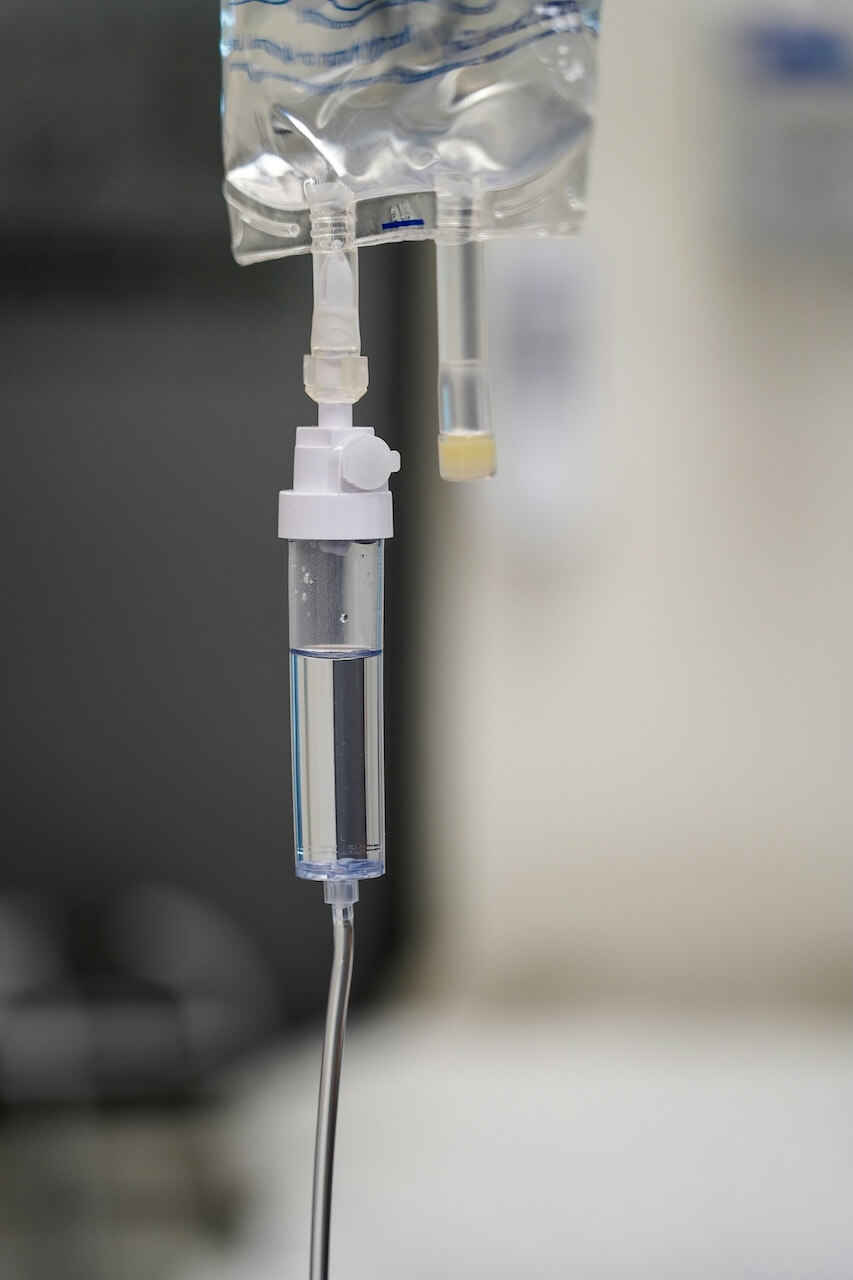
Vitamin infusion therapy involves inserting a needle into a vein to administer a combination of nutrients and fluids. Commonly included vitamins and minerals are vitamin C, B vitamins, magnesium, and calcium. The premise of this method is that intravenous administration results in immediate bioavailability. Unlike oral supplements, which require digestion and absorption through the gastrointestinal tract, nutrients given by IV become available to cells throughout the body almost instantly. The popularity of this therapy can largely be attributed to reports of users feeling more energetic, hydrated, or rejuvenated after a session. Despite anecdotal reports, scientific evidence on the efficacy of vitamin infusions in healthy individuals remains limited. According to WebMD, while the therapy may be helpful for people with specific deficiencies or absorption issues, broad health claims are not fully substantiated by research.
Potential Benefits of Vitamin Infusion Therapy
Advocates of vitamin infusion therapy cite several potential benefits, although it is worth remembering that research continues to assess these claims. Some of the commonly discussed advantages include:
- Improved Energy Levels: Infusions often include B vitamins and magnesium, both of which are involved in the cellular energy cycle. People struggling with chronic fatigue or high stress sometimes report a boost in energy following treatment.
- Immune Support: Therapies heavy in vitamin C are suggested to potentially reduce illness duration and improve immunity, especially among those with increased susceptibility to infections.
- Hydration: The fluid content of the infusion assists in rehydration and electrolyte balance, especially after periods of illness, strenuous activity, or dehydration.
Some proponents also claim benefits such as detoxification and skin health, though such claims have even less empirical support.
Associated Risks
Vitamin infusion therapy, like any intravenous procedure, carries potential risks. Some of the most significant considerations include:
- Infection: Any practice involving needle insertion has a risk of introducing bacteria or other pathogens, potentially leading to localized or systemic infections.
- Nutrient Imbalances: Overdosing on particular vitamins and minerals, especially fat-soluble ones, can result in unwanted side effects, ranging from mild discomfort to more serious complications.
- Allergic Reactions: Individuals may react adversely to infusion components or preservatives, prompting symptoms that can vary in severity.
The Mayo Clinic points out that while vitamin infusions can be well tolerated in some cases, the evidence for widespread benefit is lacking, and the possibility of harm must be taken seriously.
What to Expect During a Session
Individuals interested in vitamin infusion therapy can expect a session to involve several key steps:
- Initial Consultation: A licensed healthcare provider assesses your health status and goals, often taking a brief medical history.
- Preparation: The specific blend of nutrients and fluids is prepared, sometimes tailored to individual requirements based on lab tests or personal health profiles.
- Administration: The infusion is delivered through an IV line placed in the arm, typically taking between 20 and 60 minutes.
- Monitoring: Throughout the appointment, vital signs are tracked to watch for any adverse reactions or complications.
Who Should Consider Vitamin Infusion Therapy?
This therapy may be appropriate for those with diagnosed nutrient deficiencies or absorption issues, such as individuals with certain digestive or chronic health conditions. For most healthy adults, experts recommend obtaining nutrients from a balanced, diverse diet. Consulting a qualified healthcare provider is always advised to ensure this therapy aligns with your personal health needs and to avoid unnecessary exposure to risk.
Conclusion
Vitamin infusion therapy provides a route for rapid nutrient delivery and has attracted attention for its potential to boost energy, immunity, and hydration. Despite the growing demand, evidence supporting these claims is still being developed and evaluated. Understanding both the possible advantages and the risks allows for informed choices regarding this alternative treatment. A thoughtful conversation with your healthcare provider is the best approach to determine whether this therapy is appropriate for your health journey. Some individuals may experience temporary side effects such as discomfort at the injection site or mild changes in blood pressure. It is also important to ensure treatments are administered in a safe, medically supervised setting. Ongoing research continues to explore its effectiveness and long-term benefits.
